
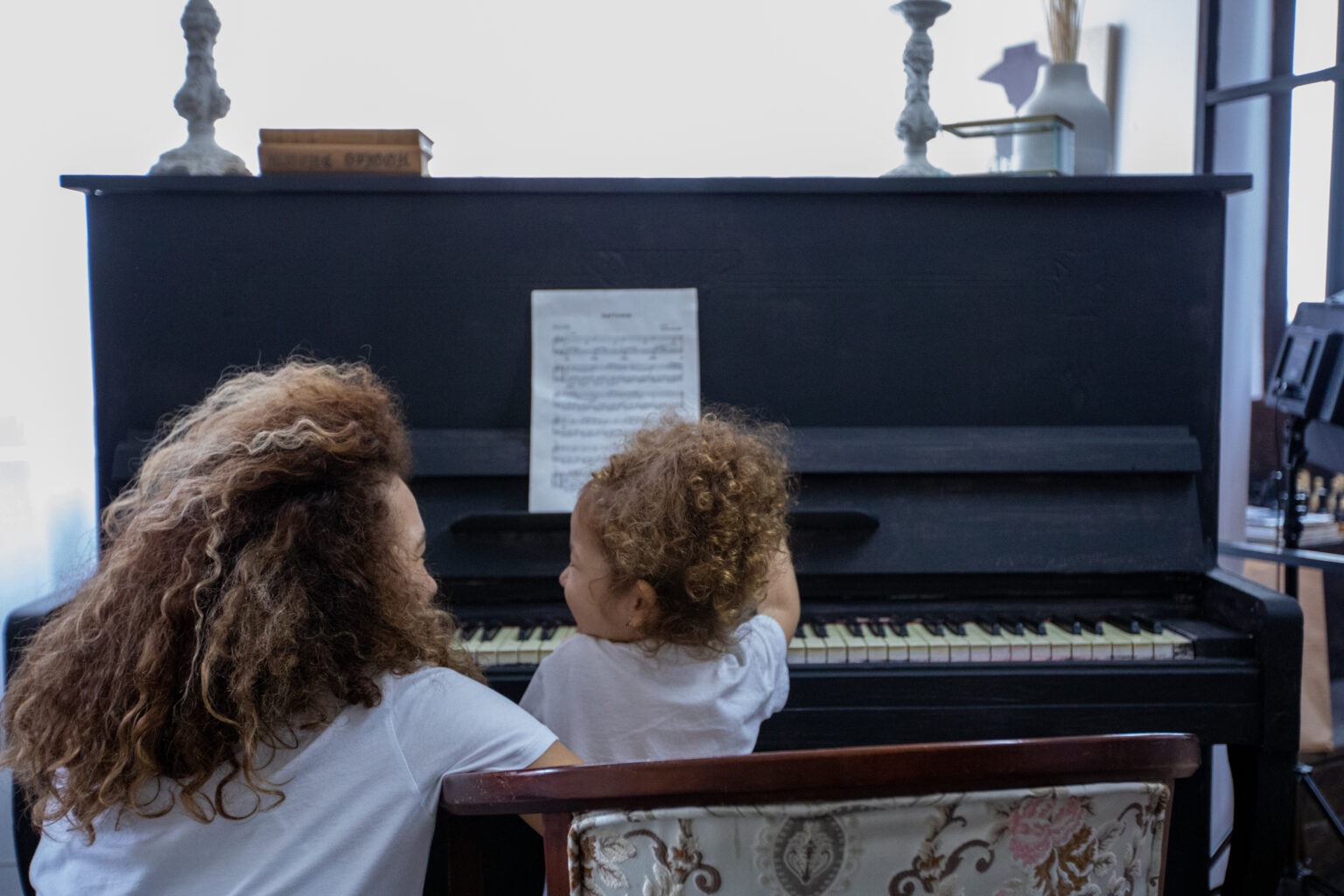
Find your child’s best time to practise
Children aren’t robots you can programme to practise at any hour. Each child has their own energy rhythm. Some bounce off the walls in the morning; others don’t fully wake up until the afternoon.
Watch for when your child seems most focused. Early risers might do best before school, when their mind is fresh. Others shine after dinner, before the bedtime routine starts.
Avoid practice when they are hungry, tired or distracted by other activities. Whether homework or music comes first depends on your child.
Try different times for a week and see what sticks.
How long should practice be?
A rough guide by age:
| Age | Suggested practice time |
|---|---|
| 5 to 6 years | 10 to 15 minutes |
| 7 to 9 years | 15 to 20 minutes |
| 10 to 12 years | 20 to 30 minutes |
| 13 and over | 30 minutes or more |
These aren’t rules. An 8-year-old might happily practise for 25 minutes, while a teenager might struggle with 15. Quality matters more than quantity, and your child’s tutor will adjust these to suit.
Break practice into manageable chunks
Nobody wants to do one thing for ages, especially children. Break each session into bite-sized pieces:
- 5 minutes of scales
- 7 minutes on that tricky section
- 8 minutes playing fun pieces they already know
This prevents overwhelm and builds confidence through small wins. It is like eating a biscuit one bite at a time.
Use timers and a simple checklist
Children do well with clear boundaries. Visual timers help because they can see time passing. Try:
- a kitchen timer they can set themselves
- a colourful sand timer for younger children
- a timer app with a fun theme
Make a practice checklist they can tick off. Ticking a box is satisfying at any age.
Keep a steady weekly pattern
Consistency matters more than long sessions. Habits grow from repetition.
Practice at 4.30 pm on most days works better than a long session whenever you remember. Mark practice times on a family calendar where everyone can see them.
Link practice to fixed parts of the day, such as straight after dinner or before a favourite programme. Soon it will feel as natural as brushing teeth.
When life gets busy, don’t drop the routine completely. Even five minutes keeps the habit going.
Further reading
- How much should a beginner practise each week?: a simple weekly plan.
- Music practice tips for kids: games, charts and music they enjoy.
- BAPAM health resources: healthy practice for musicians, from the British Association for Performing Arts Medicine.
- ABRSM apps and practice tools: practice and aural-training apps from the exam board.
Want a routine that fits your family? Your Piedbells tutor sets a short daily practice after every lesson. Book a free 30-minute trial lesson to see how we teach.